When is the best time to prune my tree?
The appropriate timing depends on the species, condition and reason for the work. Tell us about the tree so the pruning can be considered for its needs rather than a single season rule.
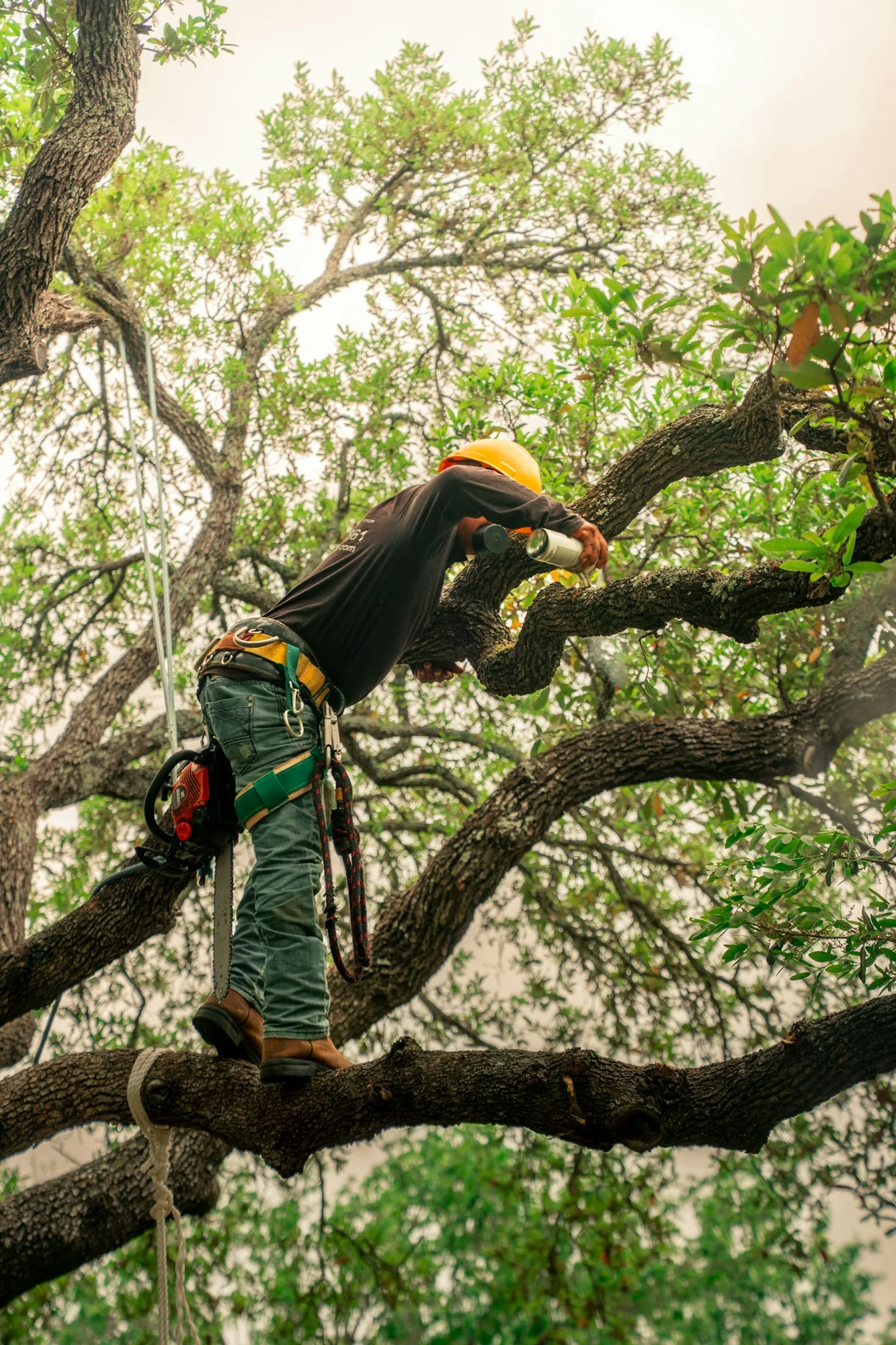
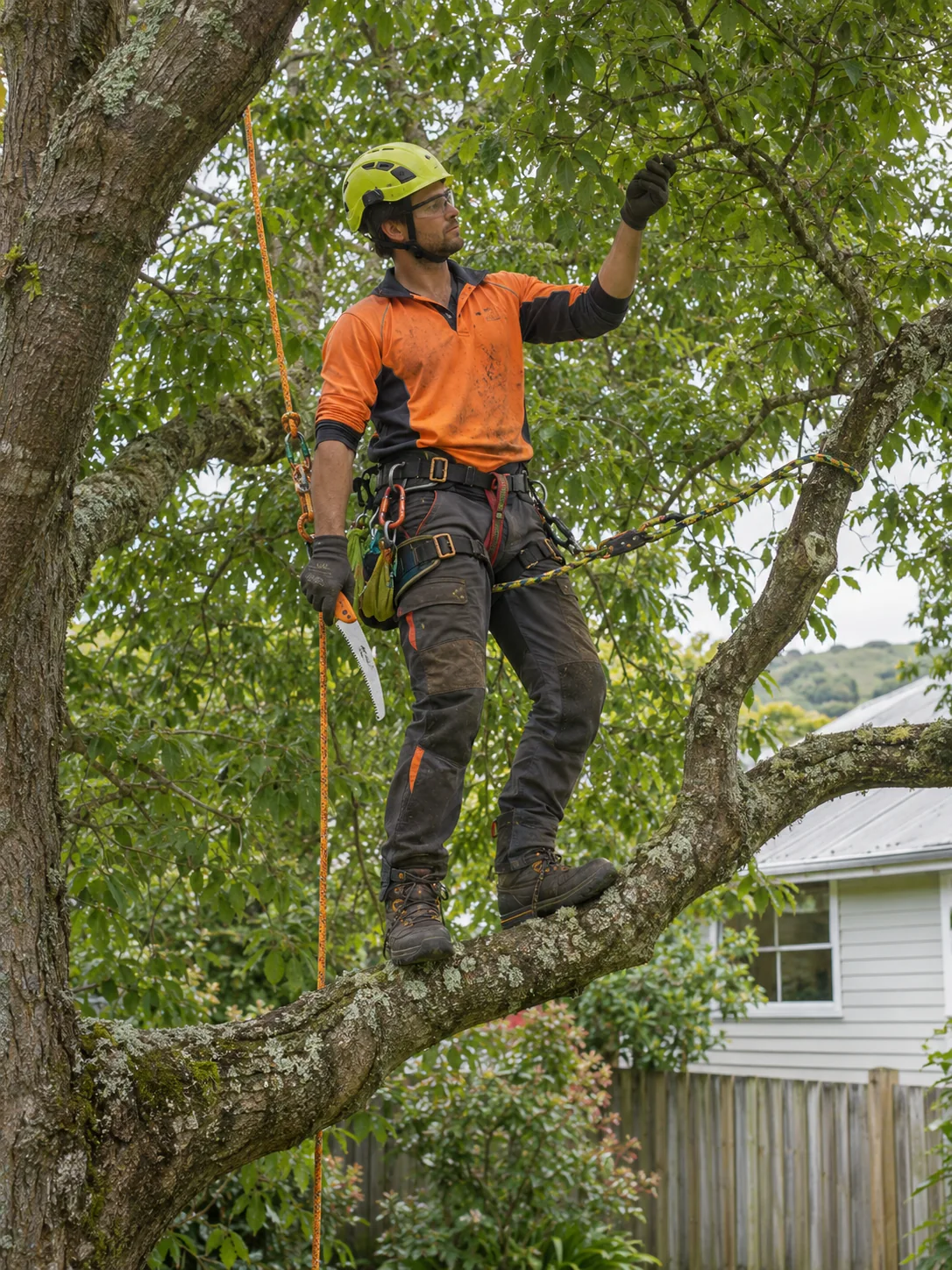
Tree trimming and pruning can address branches over a driveway, growth approaching a roof or damaged limbs while retaining a tree you want to keep. Our Gisborne service focuses on the branches and canopy work needed for that result, with the scope agreed before cutting.
Trees do not all need the same treatment. Their species, structure and condition influence the work, along with what you want to achieve. We consider those details before deciding which branches need attention.
Whether you are looking after one favourite tree or keeping several trees manageable, we are happy to help. Our service brings the pruning work and the handling of branches together so you can enjoy the result.
Call 06 883 0114 for a free tree pruning quote for your Gisborne property.
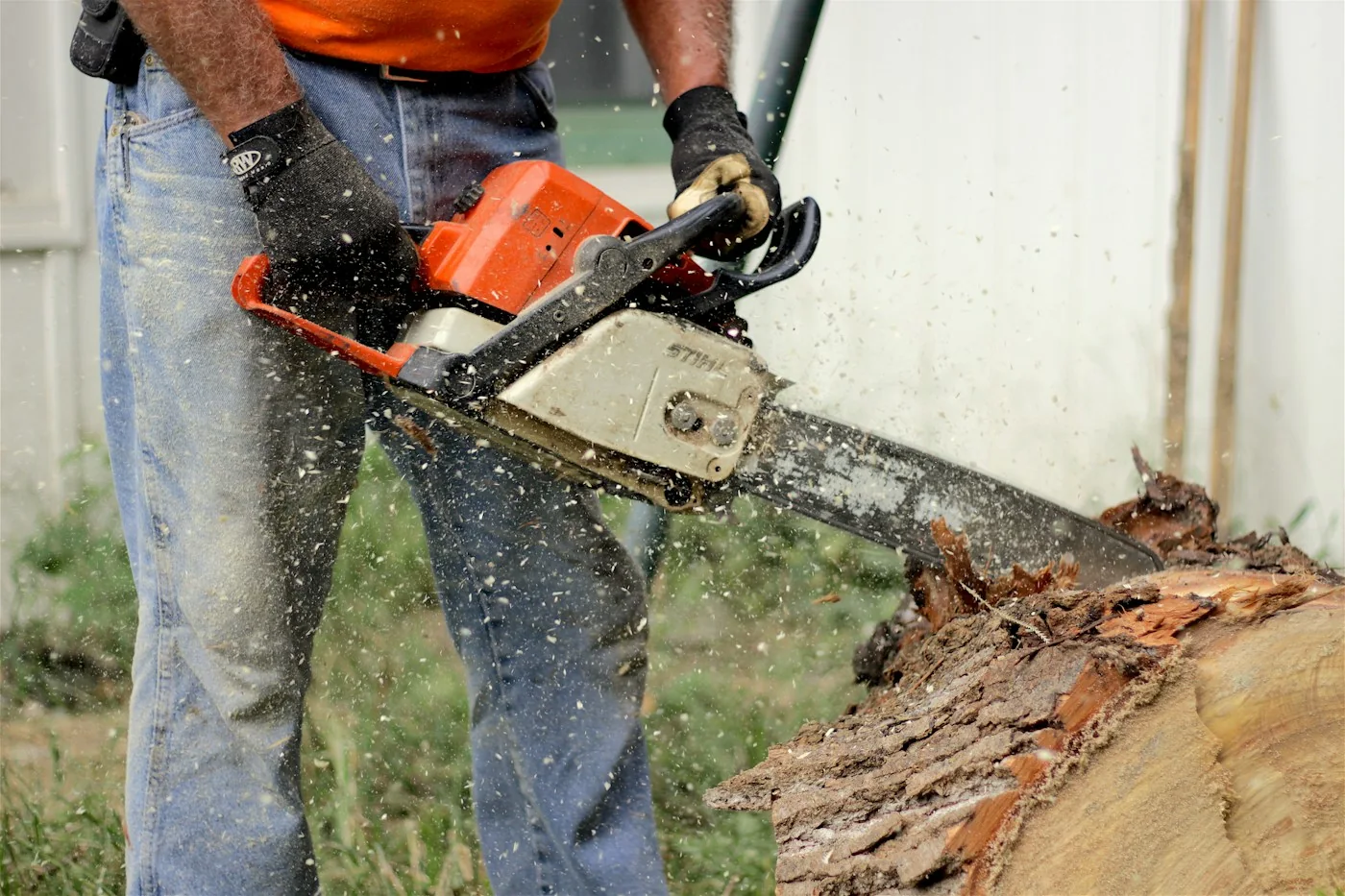
Trees grow beyond the outlines they had when they were planted. Lower branches can spread across a driveway, a canopy can reach towards a roof and damaged growth may need to be removed. Pruning is a way to address selected parts of the tree while retaining the rest.
The right work can improve the space around a tree without losing the shade and character it brings. That is especially valuable on an established property, where a mature tree may be one of the main features.
A clear purpose keeps the work focused. More light in one area may call for a different approach from clearance above a vehicle or attention to a broken limb. Tell us what you want to change so the pruning responds to the actual problem.
Appearance is another reason people seek pruning. A tree that sits comfortably in its setting can improve the appearance of a boundary or entrance. The objective is a suitable form for the tree, rather than forcing every species into the same outline.
The following terms describe common types of canopy work. Their suitability depends on the individual tree, rather than every method being needed at each visit.
Cleaning focuses on selected dead, damaged or otherwise unsuitable branches within the canopy. It is targeted work, with the condition of the remaining tree considered as part of the assessment.
The benefit is a defined service: attention to the identified branches rather than an unexplained change to the whole tree. Where damage is involved, the rest of the canopy and the attachment of remaining growth are part of the decision.
Thinning removes selected branches within the crown. It changes the internal arrangement of growth rather than simply cutting the outside smaller. The amount and position of the work should suit the tree and the intended result.
A request for more light should identify where that light is wanted. Shade over a lawn, shade over a window and shade during a particular part of the day can relate to different parts of the canopy. Thinning is considered for a purpose rather than treated as a cure for every issue.
Lifting addresses lower branches where more space is needed beneath the canopy. It may be considered beside a path, driveway or working area, while taking account of the foliage and structure that remain.
The required clearance should be explained in practical terms, such as room for pedestrians or access to a garage. The lower canopy is still part of the tree's overall form. Removing every low branch is not automatically the right way to achieve a useful opening beneath it.
Reduction changes the spread or height through selected pruning points. It is different from cutting large branches back to stubs. The tree's form and ability to respond need consideration before a reduction is specified.
The desired size needs to be realistic for the tree. A reduction can change the existing canopy, but it does not stop growth or make every large tree suitable for a small site. When ongoing large reductions would be needed, a longer-term discussion may be more useful.
A pruning goal is easiest to understand when it is linked to a place. You may want to move a vehicle along the driveway, enjoy a patio or create separation between branches and the house. Those everyday uses help identify the relevant part of the tree.
We also consider what you want retained. A canopy may provide privacy or shade that you do not want to lose. Explaining both sides of the goal helps avoid a larger change than the job calls for.
Clearance work should identify the branches involved and the intended separation. It may be possible to address selected growth while retaining much of the canopy. The position of the branches also affects how they can be reached and handled around the building.
A tree can remain a valuable feature while selected work improves access below it. Consider the height and spread that affect the space, not simply the overall size of the crown. A few relevant branches may matter more to your goal than a general cut across the tree.
Cutting a tree back to large stubs can create a very different result from suitable canopy work. The intention may be a smaller tree, but the long-term form and response need consideration too. A severe cut should not be the automatic answer to inconvenient growth.
The International Society of Arboriculture explains that topping can lead to stress and decay. Suitable alternatives should be assessed for the individual tree.
An appropriate reduction identifies where the work should end and what remains to form the canopy. It should relate to the tree's structure and the outcome required. This is more meaningful than specifying that every branch should be cut back by the same distance.
Sometimes the tree and the available space are a poor match. If keeping it would depend on repeated major cuts, the longer-term options deserve attention. Retaining the tree, changing how the surrounding space is used or considering removal can then be discussed against the same practical goal.
Pruning affects the tree that remains as well as the branches being removed. A suitable cut and a considered amount of work help protect the value of a tree you want to retain. Larger or poorly chosen cuts can change its form in ways that are difficult to put right.
Working in an established canopy also involves access and branch handling. Nearby roofs, fences and garden features can make a seemingly simple pruning job more involved. Those surroundings belong in the plan from the start.
Our Gisborne arborist services are a useful starting point if the concern is the tree's condition rather than a clear pruning goal. We can discuss what needs closer attention before physical work is recommended.
We start with the result you need and work back to the tree care that can achieve it. This keeps the service focused on your property and the tree's needs.
We consider the canopy, previous work, visible condition and the space around it. You can point out the roof, path or area that is being affected and explain any changes you have noticed.
The agreed branches or canopy areas are worked on using an approach suited to the site. If a larger change needs to be staged or is unsuitable for the tree, that should be explained before the work proceeds.
The resulting branches and timber are handled according to the job arrangements. You can ask about taking material away or retaining suitable material on site. The finish should be understood as part of the pruning service.
The stage of a tree's growth changes the care conversation. A developing tree may benefit from attention to its future form, while an established tree may need a targeted response to a particular clearance or condition issue. The same amount of cutting is not an appropriate starting point for both.
An established canopy can also have a history of previous pruning. New work should take account of what is already there, including the arrangement of branches and the space around the tree. That history helps explain why a treatment suitable for one tree may not suit another.
The aim of formative pruning is to consider the developing branch arrangement rather than wait for a large canopy to become difficult to manage. The tree's eventual position on the property matters at this stage. Suitable early care is about a clear objective, not simply making a young tree smaller.
A mature tree often provides a sense of scale, shade and enclosure. Selected work can focus on the issue that needs attention while considering those useful features. If a substantial change is proposed, the intended appearance and the remaining canopy should be explained before it is undertaken.
Some pruning needs are occasional; others recur as a tree grows beside a building or access route. A suitable maintenance approach helps you keep track of those changes and avoid treating every visit as a heavy cut-back.
The interval depends on the tree. Its growth rate, condition and the purpose of the pruning are more useful than a rule that every tree should be trimmed each year. Ask what ongoing care makes sense for the tree you have.
If a tree is too large for its setting, repeated large cuts may not be the best long-term answer. We can discuss the alternatives, including removal where retaining the tree is no longer practical.
For pricing factors, see the tree trimming costs section of our price guide. The quote depends on the branches involved, working height, access and material to remove.
After pruning, the tree continues to grow. The next review should consider how it has responded and whether the original clearance or maintenance objective is still being met. This is more useful than assuming the same cuts should be repeated at a fixed interval.
Developing trees, established shade trees and trees beside frequently used routes can have different priorities. The amount of pruning and the timing should suit that stage and purpose. If a substantial change is needed, ask whether the work should be approached in stages.
The appropriate timing depends on the species, condition and reason for the work. Tell us about the tree so the pruning can be considered for its needs rather than a single season rule.
Selected canopy work may help, depending on where the shade falls and the tree involved. Explain which area you want to improve so the likely result and suitable options can be discussed.
There is no single interval for every tree. Growth, clearance requirements and the type of previous work all influence when another visit may be useful.
Heavy topping cuts the canopy back to stubs and can create lasting problems. Appropriate pruning uses selected cuts for a clear purpose. The tree and the intended change should guide the approach.
A quote can focus on a defined part of the tree where that work is appropriate. Point out the access problem so the proposed pruning can address it without assuming the entire canopy needs cutting.
Future growth and care depend on the species, condition and nature of the reduction. Ask about the likely maintenance implications before choosing a larger change, especially if the tree already has limited room.
A well-kept tree can remain a feature of your property for years to come. If branches need attention or you would like help keeping the canopy manageable, call 06 883 0114 for a free, no-obligation quote.
Click to call
06 883 0114